
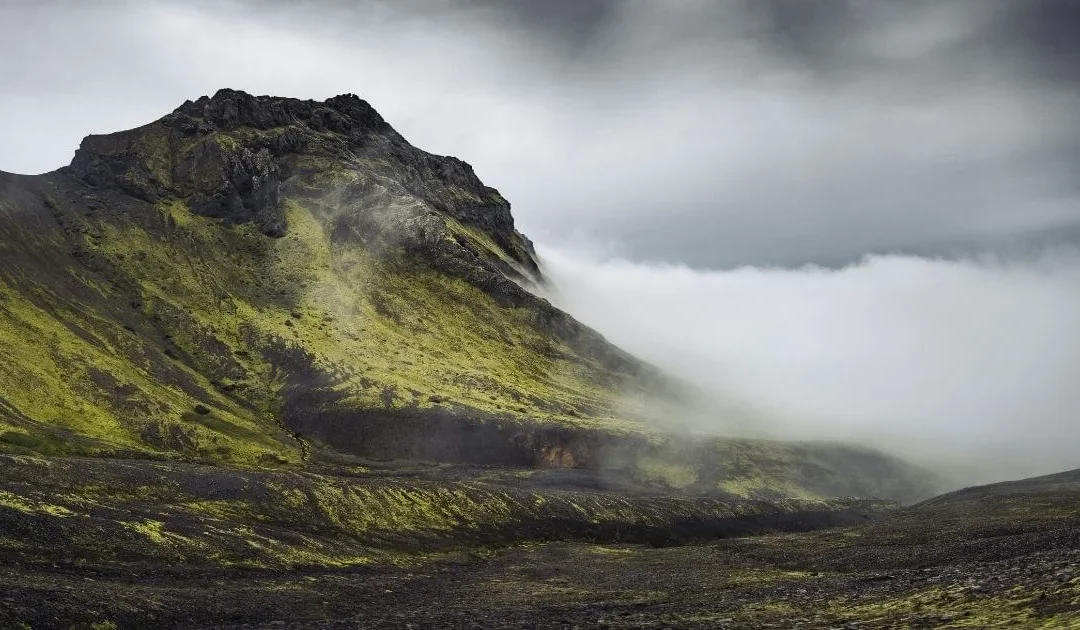
A sustainable Iceland tour at Travelling Iceland means every booking plants a native birch tree through Kolviður, funds named Icelandic and international conservation partners like Landvernd, and is designed by a PhD geologist whose conservation work started long before eco travel became a marketing line.
The word “sustainable” sits on the website of nearly every tour operator in Iceland. Some hold a certification. Some buy carbon offsets. Some give a slice of revenue to a broadly worded environmental cause. Very few can sit with a guest at the end of a trip and name the project their booking funded, in Iceland, and say what changed because of it.
Iceland is one of the easiest places in the world to call yourself green, because the country’s clean energy does so much of the work for you. What separates a real commitment from a comfortable label is whether an operator can show you the receipts.
At Travelling Iceland we believe sustainability only counts when it’s specific: named conservation partners, a per-booking action you can point to, and an operator who can tell you exactly what your money did after the trip. That is the standard we hold ourselves to, and the rest of this article is how you can test it in any operator you’re considering. If you’d rather start with a conversation, you can plan your trip with us.
What makes Iceland tours sustainable, beyond geothermal energy
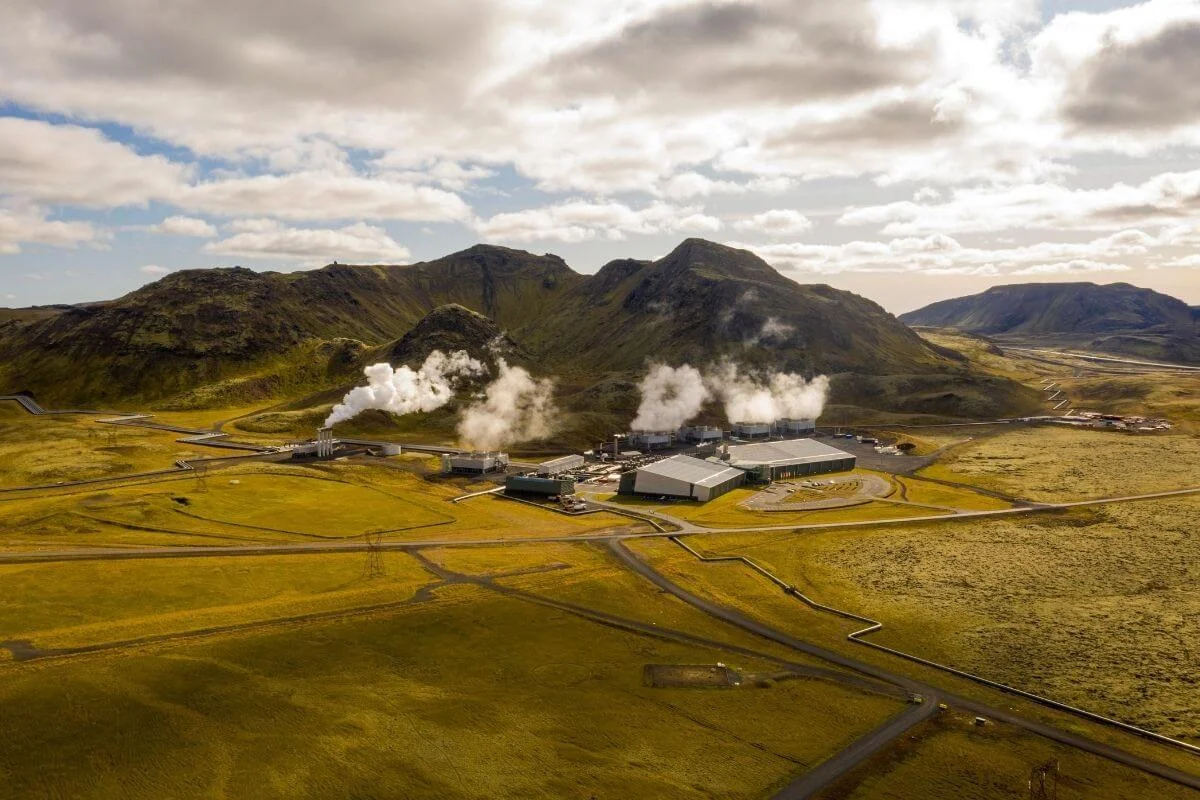
Iceland gets ranked among the world’s most sustainable destinations because almost all of its electricity comes from geothermal energy and hydroelectric power, and its heating comes from geothermally hot water. That renewable base is real, and it matters. It also means the country’s infrastructure carries most of the load, not the individual business. Booking a tour here does not make a trip sustainable by default. The green energy was already there.
Iceland’s tourism boom stretched this thin. The surge in tourism over the past decade brought record visitors to Iceland, and with them a familiar pattern of coaches convoying to the same handful of sites.
Most operators who carry a sustainability label have done one or more sensible things: purchased offsets, joined a certification scheme that tracks waste and energy, or written a responsible-travel statement. Some of the largest tour operators now run modern bus fleets, and a few have moved towards the use of electric buses and carbon offset goals for their day tour operations. Carbon-neutral day tours are becoming a marketing line across the travel industry here.
Reducing the carbon footprint of a fleet, and cutting carbon emissions on the road, is worth doing. However, it doesn’t tell you what happened to your specific booking, or draw a traceable line between the money you paid and an outcome you can point to.
Travelling Iceland works to a stricter test. Every booking ties to a named conservation partner and a specific action we can show you, so the line between what you paid and what changed stays visible. That is sustainability with receipts, and the next section walks through exactly what your trip funds.
Plan your private Iceland trip with a founder who has spent her career protecting this land.
Sustainable vs regenerative tourism in Iceland
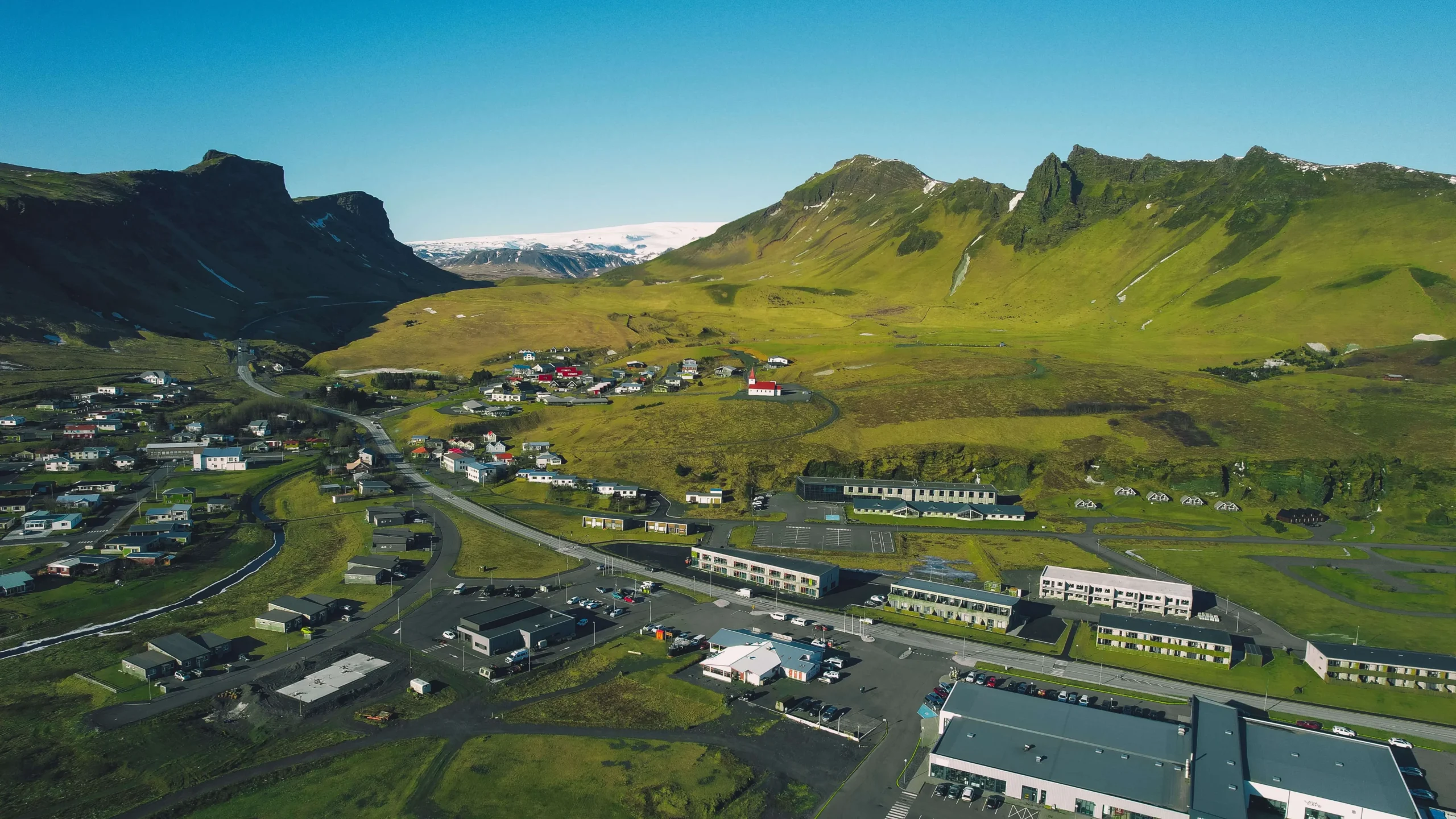
The line between sustainable and regenerative tourism has sharpened over the last two years. Sustainable tourism aims to minimise harm, to leave a place in the state you found it. Regenerative tourism goes further and tries to leave the destination measurably better than before you arrived.
Forbes reported that 2026 is the year the idea moves to the forefront, with visible, action-oriented conservation replacing the dutiful, apologetic version of responsible travel.
In practice, regenerative means conservation actions that are specific and, ideally, traceable to a single booking. Travelling Iceland plants a native birch tree through Kolviður, Iceland’s carbon fund, for every trip booked. That is a per-booking action tied to your visit, in Iceland, with the planting on record, and it is one small way each guest starts to contribute to sustainable tourism rather than just paying for it.Our active conservation partners include Landvernd, the Icelandic Environment Association, alongside Náttúruverndarsamtök Íslands, Náttúrugrið, Re:wild, and Amazon Watch. These are organisations whose work lines up with what Iceland’s ecosystems need and with Helga’s own research into climatic and oceanic change.
The gap in the market, and it is wide, is the guest-facing impact document. Travelling Iceland is building a post-trip summary for every guest that shows what their booking supported, which trees went in the ground, and which partners received help. That document is in development. Once it exists, it will be the clearest example of sustainability with receipts available from any private operator in Iceland.
If an operator can’t name the project your money funds, you’re buying a label. Ask for the receipts, and if you want to see what ours look like, start a conversation with us.
The Icelandic Pledge and Iceland’s volcanic landscapes
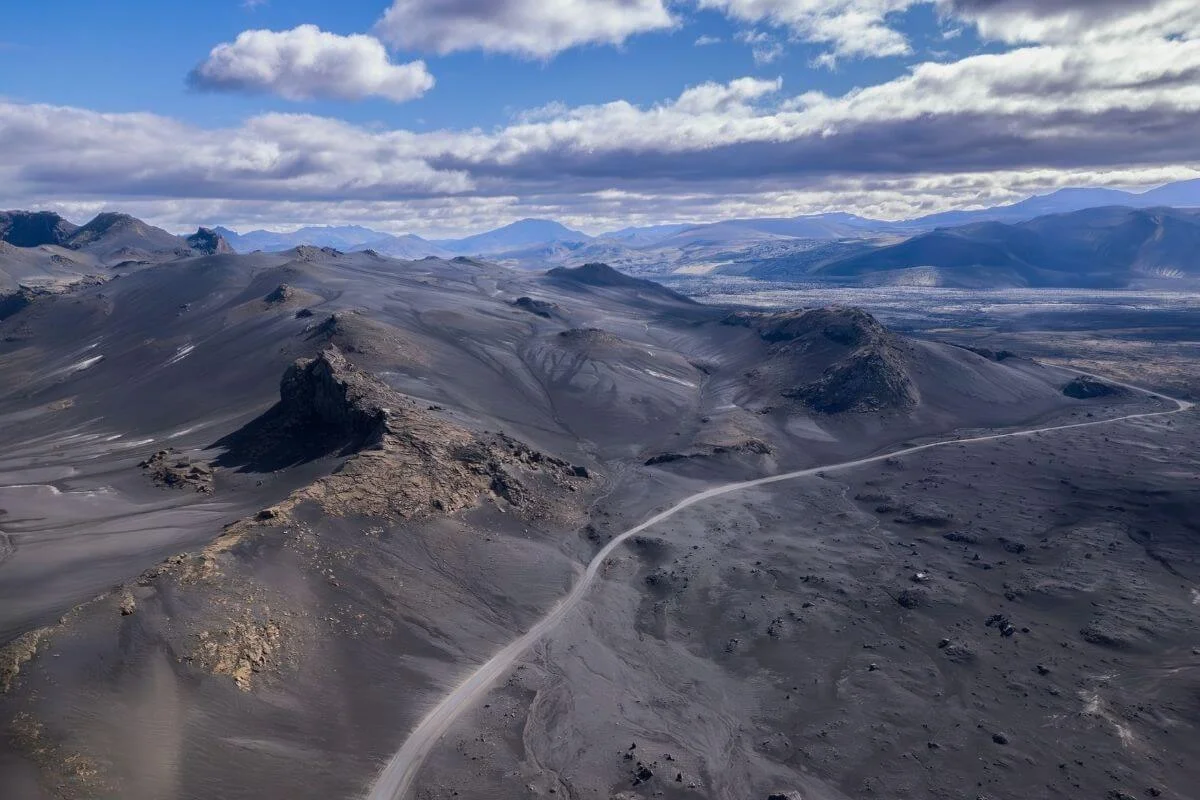
Travelling Iceland promotes the Icelandic Pledge to every guest. The Icelandic Pledge, run by Visit Iceland, is a commitment to travel responsibly: stay on marked paths, follow local guidance, respect the land, and leave no trace.
The moss that covers much of Iceland’s lava fields grows only a centimetre or two per decade, so once it is crushed it can take decades, sometimes a century, to recover, and a single footprint off a marked trail can stay visible for years. To explore Iceland responsibly, understanding the reason behind each rule matters as much as the rule itself.
This is where Helga’s training changes the conversation on the ground. Her doctorate in micropaleontology, with emphasis on past climatic and oceanic changes, means her reading of Iceland’s nature comes from the same scientific discipline that reads the geological record. When a Travelling Iceland guide explains why you stay on the path at a particular site, the reason comes with it, not just the rule. The volcanic landscapes you’re standing on are rugged and older and stranger than they look, and understanding that is part of the experience.
Why a founder-scientist changes sustainable travel in Iceland
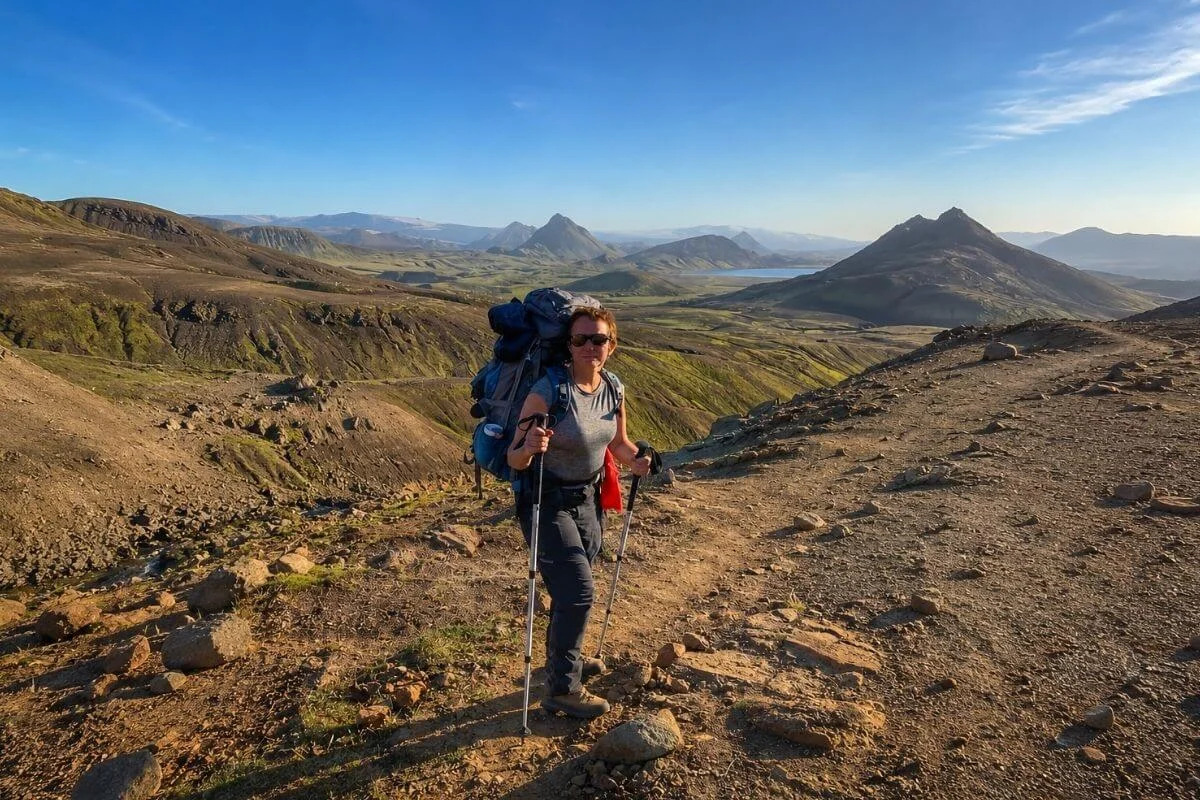
Protecting Iceland’s natural beauty starts with understanding it, which is exactly what a scientist-led tour is built to do.
No other private operator in Iceland’s luxury tier is founded by a scientist whose career is built on the very systems the conservation commitments are meant to protect. Helga’s research into past climatic and oceanic change maps directly onto the feedback loops now driving glacier retreat and the ocean warming that is reshaping the marine ecosystems her guide team describes to guests. She co-founded Iceland’s Plastic-Free September initiative and signed a declaration on sustainable and responsible tourism in January 2017, before eco-travel became a standard line item in tour operator budgets.
Seeing the best of Iceland beyond the Golden Circle
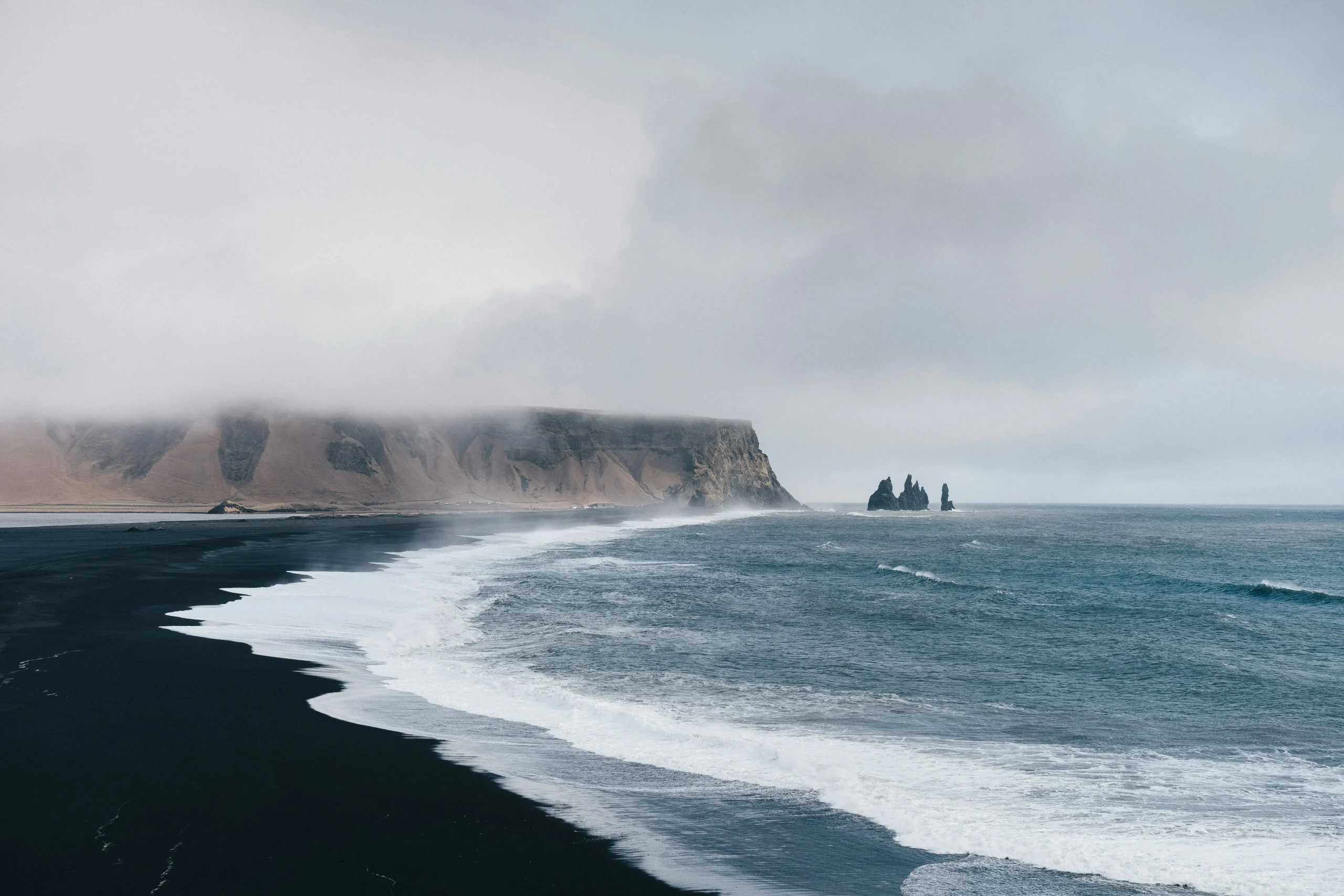
Beyond partnerships and tree planting, sustainable travel in Iceland is built into every private tour.
A private tour cuts the per-site footprint compared with group travel. Reynisfjara’s black sand beaches, the Geysir area, and the Golden Circle are all sites where clustered tour buses cause real stress: eroded edges, disturbed geothermal ground, and compressed crowds that damage slow-recovery plants.
Your own vehicle, timed for early morning or late evening at the busy stops, lands very differently than 40 people arriving by coach at midday. On our private tours in Iceland, and on private group tours, the route bends around conditions and crowds rather than a fixed schedule, whether that means the south coast, a waterfall with no coach park beside it, the northern lights on a clear winter night, a soak away from the busy hot springs, a quiet corner off the main travel routes around Iceland, or a super jeep track into the highlands to reach country most visitors never see.
Travelling Iceland also leaves animal-based activities out of every itinerary, out of respect for animal welfare. For families choosing between whale watching boats and quieter ways to meet Icelandic nature, that is one less thing to weigh, and it is a named value rather than an afterthought.
The slow-pacing model has an environmental side that rarely gets discussed. Rushing guests from stop to stop burns more fuel, piles stress onto each site, and produces the kind of day that leaves no care behind for what was seen.
A guest who spends two hours at a geothermal area with a local guide who explains it is far more likely to go home an advocate for its protection. That effect, guests who come back talking about the natural environment, who donate, who change what they do at home, is the hardest outcome to measure and the most important one that eco-friendly adventures in Iceland can produce.
How to check an Iceland operator’s sustainable practices
Before you book any tour on sustainability grounds, ask four questions.
- What specific conservation action is tied to my booking? Not “we support conservation.” Which named organisation, which project, and what happens because you paid.
- Can you name your conservation partners and what they do? An operator with real relationships knows the missions. An operator with logo relationships often can’t.
- How deep is your guide’s knowledge? A guide who can explain why Iceland’s glaciers are retreating, and what the rate tells us, turns a talking point into an education. Scientific depth is the difference.
- What happens after the trip? Any documentation of impact, even a simple post-trip report, shows the commitment outlives the invoice.
Travelling Iceland’s answers to all four are named, specific, and grounded in Helga’s background.
Plan a sustainable private Iceland tour
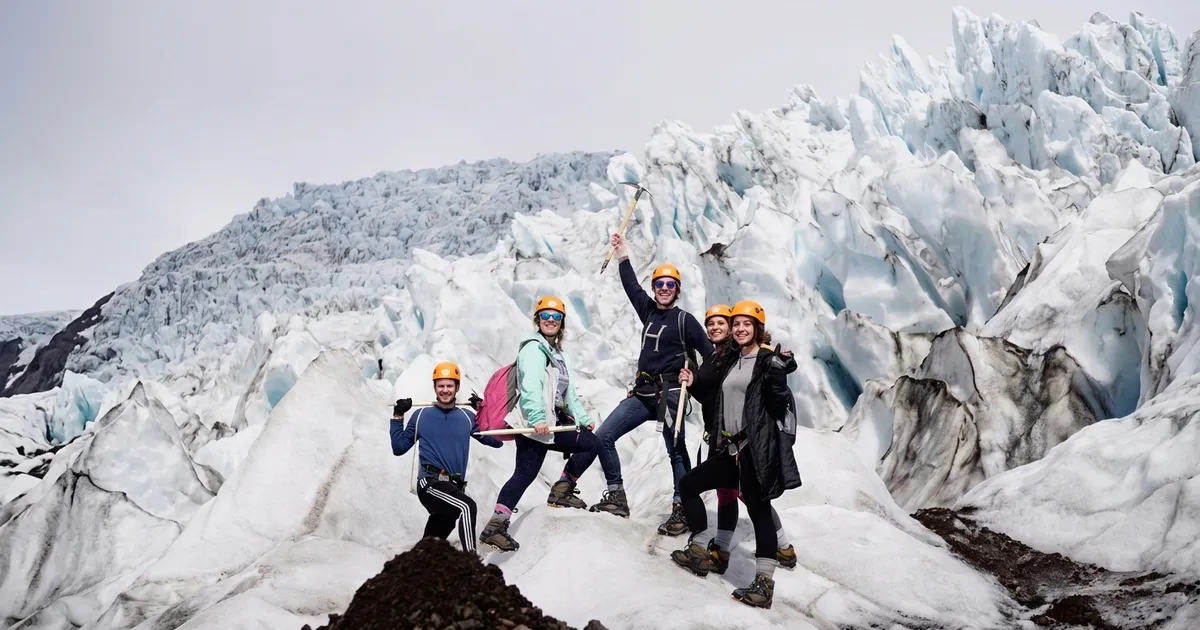
If you want a private Iceland tour where the conservation is documented, designed by someone whose career was built on the ecosystems you’re visiting, this is where to start.
Tell us what you care about and we’ll build the trip around it.
You can also read more about how Travelling Iceland approaches sustainability, including the conservation partners behind every booking and our dedication to sustainability.
Frequently Asked Questions
Are glacier tours safe and sustainable?
Glacier walks are safe when they run with a trained, equipped guide who reads the ice daily, since conditions on Iceland’s glaciers shift with weather, meltwater, and season. Glaciers are never a place to explore on your own, they call for a qualified guide every time, and a good guide is what keeps the day both safe and rewarding. A small private group also leaves far less trace on the approach and on the ice than a large convoy, and a guide with a geology background can explain what the glacier’s retreat shows about a warming climate
What makes an Iceland tour operator sustainable versus one that just uses the label?
The clearest test is specificity. Can the operator name which conservation projects your booking supports, in which country, with what outcome? Certification schemes and carbon offsets describe what a company does operationally. Real sustainable tourism practices show up as guest-facing, traceable impact: a named organisation, a per-booking action like a tree planted, and ideally a post-trip record. The vaguer the claim, the more likely it’s a label.
But just how enormous is this tourism boom?
Iceland drew around 2.3 million international visitors in 2024, according to the Icelandic Tourist Board, against a resident population of roughly 387,000. That works out to close to six tourists for every person who lives there, which puts Iceland among the most tourism-intensive countries in the world. Most of those visitors funnel through the same handful of stops on the Golden Circle and south coast, which is why timing and route choice matter so much for both your experience and the land.
Does clean energy make travelling to Iceland sustainable by default?
Iceland’s electricity and heating are nearly 100% geothermal and hydroelectric, which is a real advantage. But those renewable energy sources belong to the country, not to any single operator. Sustainable travel in Iceland still depends on how a business manages site pressure, wildlife, off-road restrictions, and where tourism money flows. The green energy is a strong foundation. What operators build on it varies widely.
What is regenerative tourism and how is it different from sustainable tourism?
Sustainable tourism aims to minimise harm and leave a destination as you found it. Regenerative tourism aims to improve it, through conservation tied to each booking, ecosystem restoration, and outcomes that are measurable. Forbes and other travel-industry reports have identified regenerative travel as the defining shift in luxury tourism through 2026, moving from offsetting arithmetic towards net-positive results.
Are carbon-neutral tours in Iceland a real thing?
Some day tour operators pursue carbon-neutral day tours through electric buses and offset purchases, and those are worthwhile steps towards a lower carbon footprint. The idea of a fully carbon-neutral Iceland trip still rests heavily on offsets, which reduce harm rather than reverse it. A more honest goal for travellers is regenerative: choosing operators whose sustainable practices add something back, not just balance the ledger.
Are private adventures in Iceland more sustainable than group tours?
At site level, usually yes. Private tours can time visits to avoid the peak congestion that causes the most environmental impact, keep group size small, and adapt around conditions. The per-seat carbon footprint of one vehicle is higher than a full coach, but the reduced pressure at individual natural wonders, plus the quality of environmental education in a private setting, tends to favour the private format for travellers who care about genuine sustainability over offset math.
What conservation organisations does Travelling Iceland support?
Our active conservation partners include Kolviður, Náttúruverndarsamtök Íslands, Landvernd, Náttúrugrið, Re:wild, and Amazon Watch, and a native birch tree is planted through Kolviður for every trip booked. Founder Helga Bára co-founded Iceland’s Plastic-Free September initiative and served as a project assistant for the UN’s Faith for Nature: Multi-Faith Action initiative.
How can I minimise my environmental impact while hiking in Iceland?
Stay on marked trails at all times, because Iceland’s moss and low arctic vegetation can take decades to recover from a single boot print off the path. Pack out everything you carry in, keep to durable ground when you stop for a break, and never walk or drive off-road to reach a photo. Taking the Icelandic Pledge before you travel is a simple way to lock in those habits before you land.
How does tourism impact Iceland’s environment, and what is being done to mitigate it?
The main pressures are erosion at heavily visited sites, strain on fragile vegetation and geothermal ground, and the emissions from flights and vehicles that bring people in. Iceland has responded with boardwalks and site management at the busiest spots, seasonal closures that let ground recover, and visitor education, while operators contribute through offsetting, tree planting, and a shift towards regenerative models that fund restoration. Choosing an operator whose conservation is specific and documented is one of the clearest ways a visitor can be part of the solution.
Recent Comments