
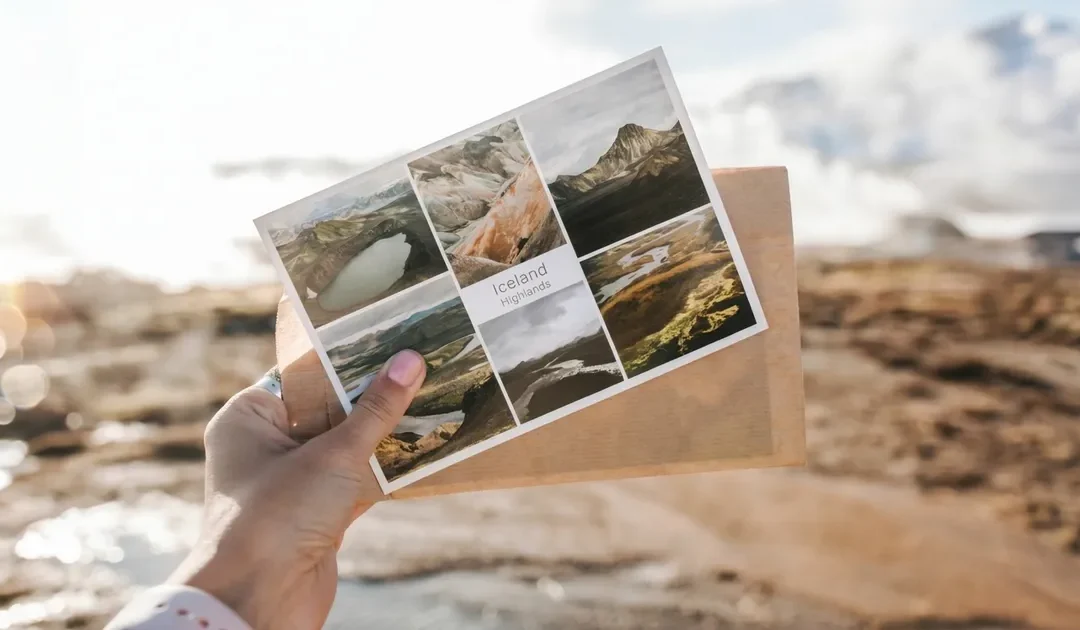
Choosing an Iceland tour operator comes down to five checks: guide credentials, whether the tour is truly private, knowing your guide before you book, the proof behind sustainability claims, and a real weather plan. At Travelling Iceland, every guide is licence-certified and trained by a PhD geologist, and you know who is guiding you before you land.
You sit down to plan the trip, open fifteen tabs, and every Iceland tour company says the same thing. Authentic. Bespoke. Expert local guides. Sustainable.
Search for the best Iceland tour operator and you get pages of listings that read almost identically, and none of those words tell you anything you can use.
When everything sounds the same, price becomes the tiebreaker by default, and that is how travellers end up spending serious money on a trip that lands somewhere between fine and forgettable. The operators worth booking are distinguishable. You just have to know what to look for.
Here are the five questions to ask any tour company in Iceland, and the answers that separate an extraordinary trip from a mediocre one.
1. Is your Iceland tour operator certified, and by whom?
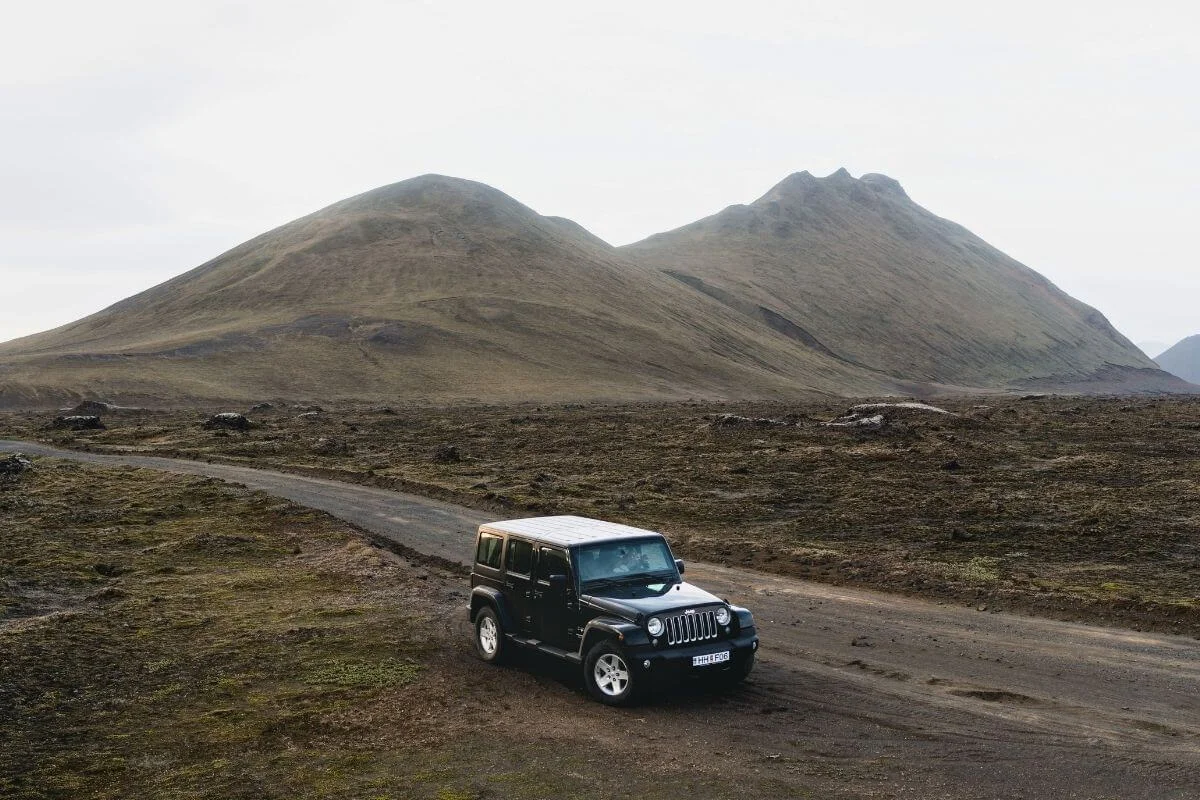
Every operator running day tours or multi-day packages in Iceland must hold a licence from the Icelandic Tourist Board, the government body that regulates the country’s tourism. The licence is mandatory, not optional, and any operator who cannot confirm one is working outside the legal framework. You can verify any operator’s status yourself through the Tourist Board’s public database.
That baseline matters, but it is only the start of the credential question. The Icelandic Tourist Board licence confirms an operator has met the regulatory minimum for safety planning, insurance, and operational standards. It tells you nothing about the knowledge a guide brings to the landscape. Two operators can both be fully licensed, and one guide might have spent years studying the geology and ecology of the terrain while the other memorised a script.
In Iceland, guiding itself is not yet a regulated profession, there is no official certification a guide must hold, so expertise varies enormously from one operator to the next.
So ask directly: what are your guides’ qualifications beyond the company’s operating licence? A company that has invested in its guides answers this with specifics. A name, a background, a language spoken, a field they know cold. If the answer is “all our guides are experienced and passionate,” that is not an answer.
At Travelling Iceland, the company holds full Icelandic Tourist Board licensing, and every guide is trained personally by Helga Bára, who holds a doctorate in micropaleontology and has spent her career studying the geological forces that built the landscape our guests travel through.
When you book, you know who your guide will be before you land. You can read their bio ahead of time, and if you like, meet them on a call before the trip so you arrive already knowing the person taking you out. That standard is part of why Travelling Iceland holds a 5.0 rating across 152 TripAdvisor reviews.
2. Is this Iceland tour private or shared?
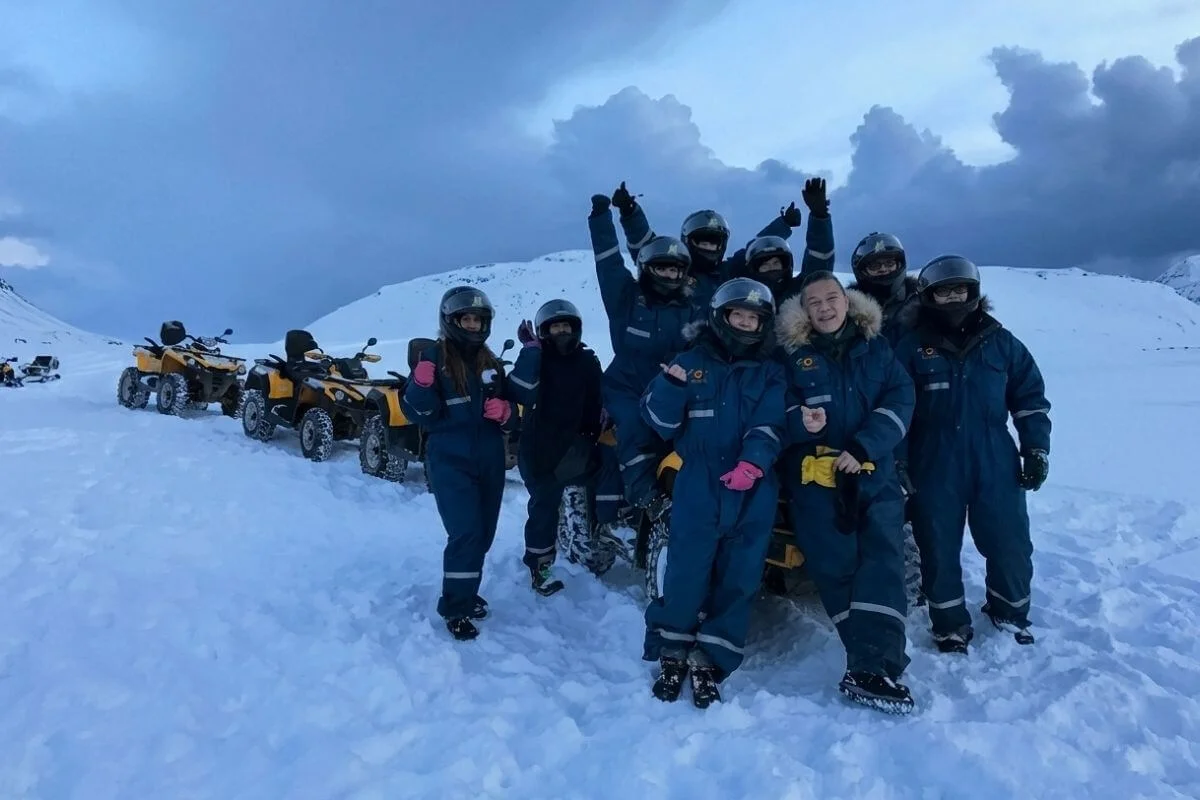
This question matters more in Iceland than almost anywhere else in Europe, because the most visited sites are running near capacity. In August 2024, the country’s peak month, Iceland received 281,000 international visitors, and a large share of them were on the same roads, stopping at the same sites, at the same hour.
A private tour in Iceland means your group and only your group, in a dedicated vehicle, with a guide whose full attention is on you for the day. A shared tour, even one sold as “small group,” puts you on a vehicle with strangers you did not choose, on a schedule you did not build.
The difference is practical, not just social. A private 4×4 or super jeep can reach the F-roads and highland tracks that are closed to full-size coaches. Many of Iceland’s most remarkable geological formations sit off the main ring road, and you will not get to them on a bus tour or a shared minibus.
So ask: how many other travellers will be on my vehicle? If the answer is anyone beyond your own group, the tour is shared. Some operators sell a twelve-person “private-style” trip as exclusive. It is not. It is just a smaller group tour.
See how we design a private trip.
3. Can you tell me who my guide will be before I book?
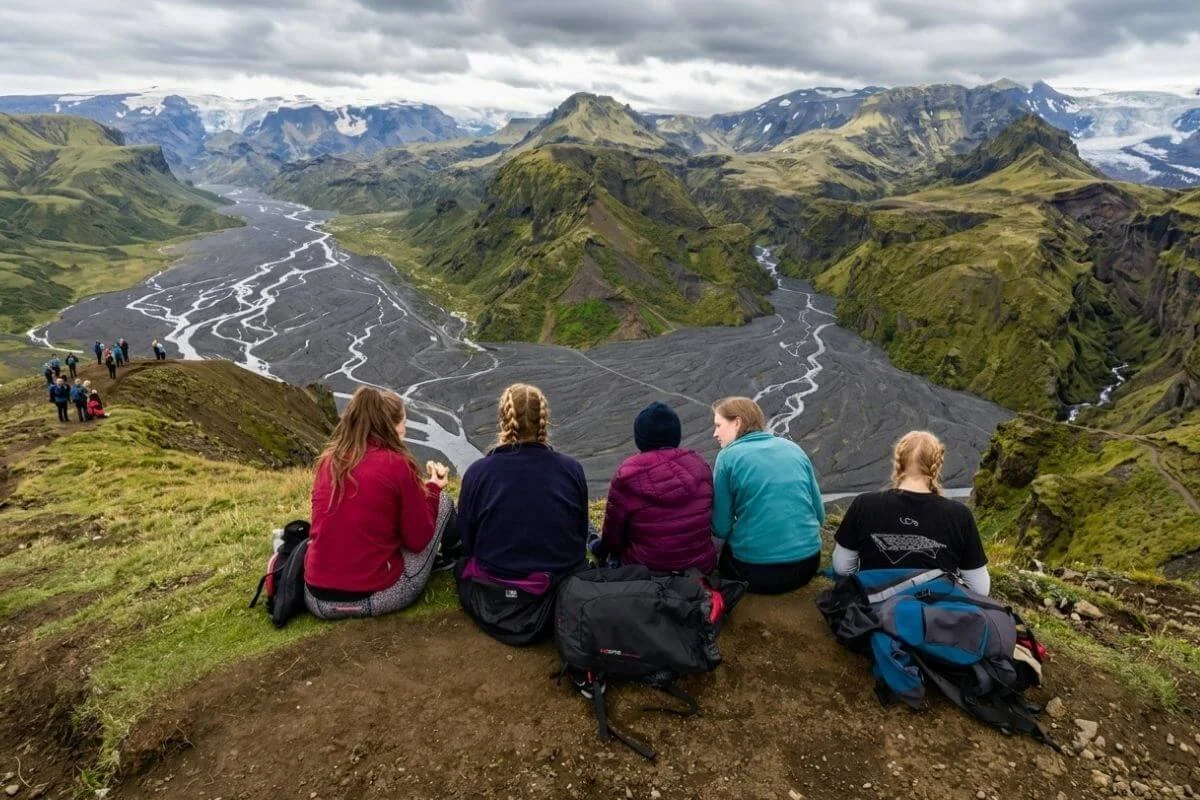
This is the question that exposes how most mid-tier operators work. They run multi-guide rosters, so the person leading your trip is assigned on availability, not fit. Travellers in online forums have a name for it, the guide lottery. You pay the same price no matter who you get, and your experience swings enormously on the outcome.
The guide lottery is not a minor inconvenience. Reviews across Iceland operators show the guide is the single variable that most decides whether a trip is extraordinary or forgettable. The same sites, delivered by a distracted or scripted guide, land to a completely different effect.
An operator confident in its team will tell you your guide’s name and background before you confirm. If they cannot, or will not, that uncertainty is a signal about the consistency of the whole operation.
The best operators go one step further and match the guide to your group. At Travelling Iceland, guides are chosen for what your group cares about, whether that is geology, wildlife, or photography, so the person leading your trip is a fit rather than whoever happened to be free that week. Some bring their own texture to the day. Addý, one of the team, is the guide guests single out in reviews as enormously helpful and exceptionally patient with first-time visitors, the kind of presence that turns the drive between two sites into part of the trip.
Then ask one more thing: what does your guide know about the landscape, beyond Icelandic history and the standard commentary? A big bus tour shuttles people between sites and gives you the general version. They can tell you a waterfall is 60 metres tall and that the Vikings named it. What they rarely offer is why it exists, what formed the basalt columns at its base, or what the land looked like 10,000 years ago and why it looks different now.
That kind of understanding takes a specific knowledge most guides simply do not have, and it is what turns a trip from a set of photographs into something you carry home differently.
Start planning your Iceland trip.
4. What does your sustainability claim mean?
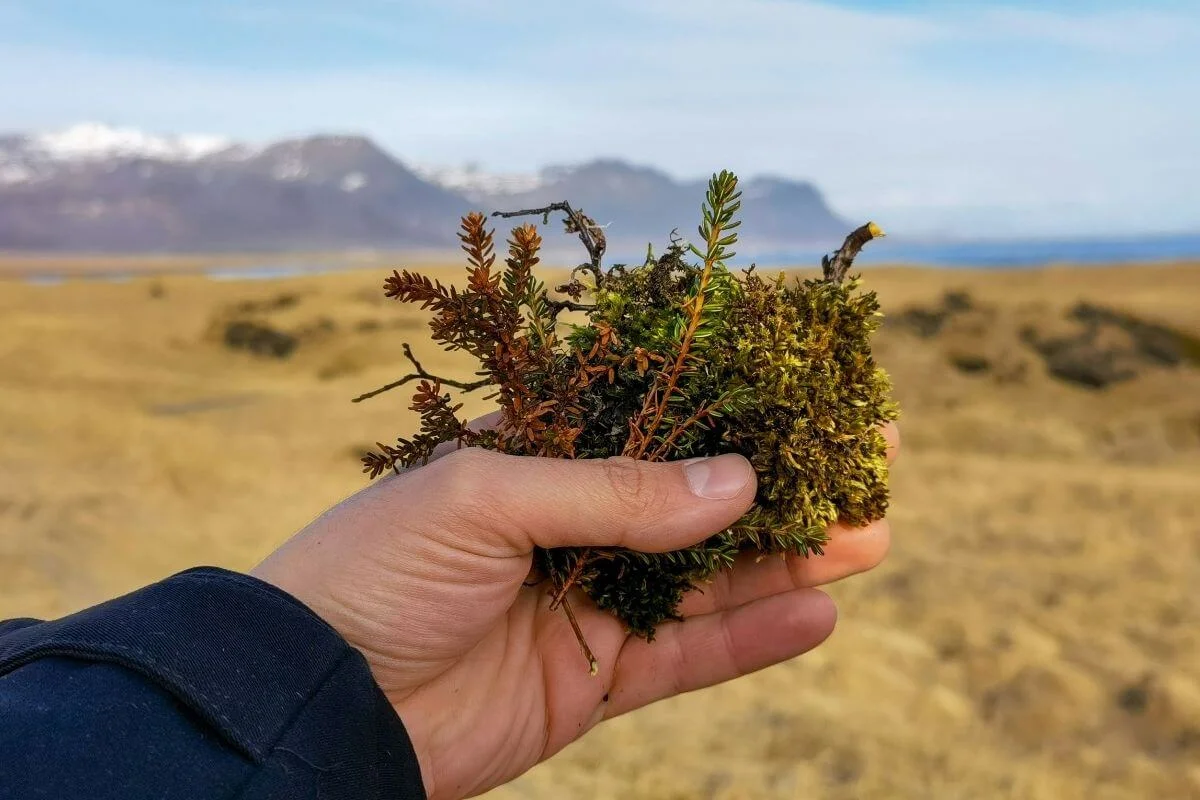
Iceland’s operator market has a greenwashing problem. Not because operators are dishonest, but because “sustainable” became a default label the moment the travel industry adopted it, and it means something different on every website you open. Expedia Group research found that 7 in 10 travellers have avoided a destination or transport option over inauthentic sustainability claims, and the travellers spending the most have become the quickest to spot the gap between a label and a commitment.
The questions worth asking are specific. Not “are you sustainable,” but which conservation organisations do you partner with by name, and what does that partnership involve. Do you hold any third-party certifications, and which body issued them. Does any part of my booking go to a named conservation project.
The answer that holds up sounds like this: we plant a native birch tree through Kolviður for every trip booked, we partner with Landvernd and the Nature Conservation Association of Iceland, and our founder co-founded Iceland’s Plastic-Free September initiative. Those are verifiable. “We are committed to protecting Iceland’s pristine environment” is not.
Travelife certification is one of the internationally recognised sustainability standards open to Iceland operators. Vakinn is the Icelandic Tourist Board’s own quality and environmental certification, with a Gold-Class Environmental Certificate as its highest level. Both require documented practices, not a stated intention. If an operator holds one, it means their standards have been externally checked rather than self-declared.
Travelling Iceland’s sustainability commitments include partnerships with Kolviður, Landvernd, the Nature Conservation Association of Iceland, Náttúrugrið, Re:wild, and Amazon Watch, with a birch tree planted for every trip booked. Helga Bára co-founded Iceland’s Plastic-Free September initiative.
Those relationships were in place before sustainability became a marketing trend, and they continue because they reflect how the company was built, not how it wants to appear.
5. How do you handle weather and plan changes?
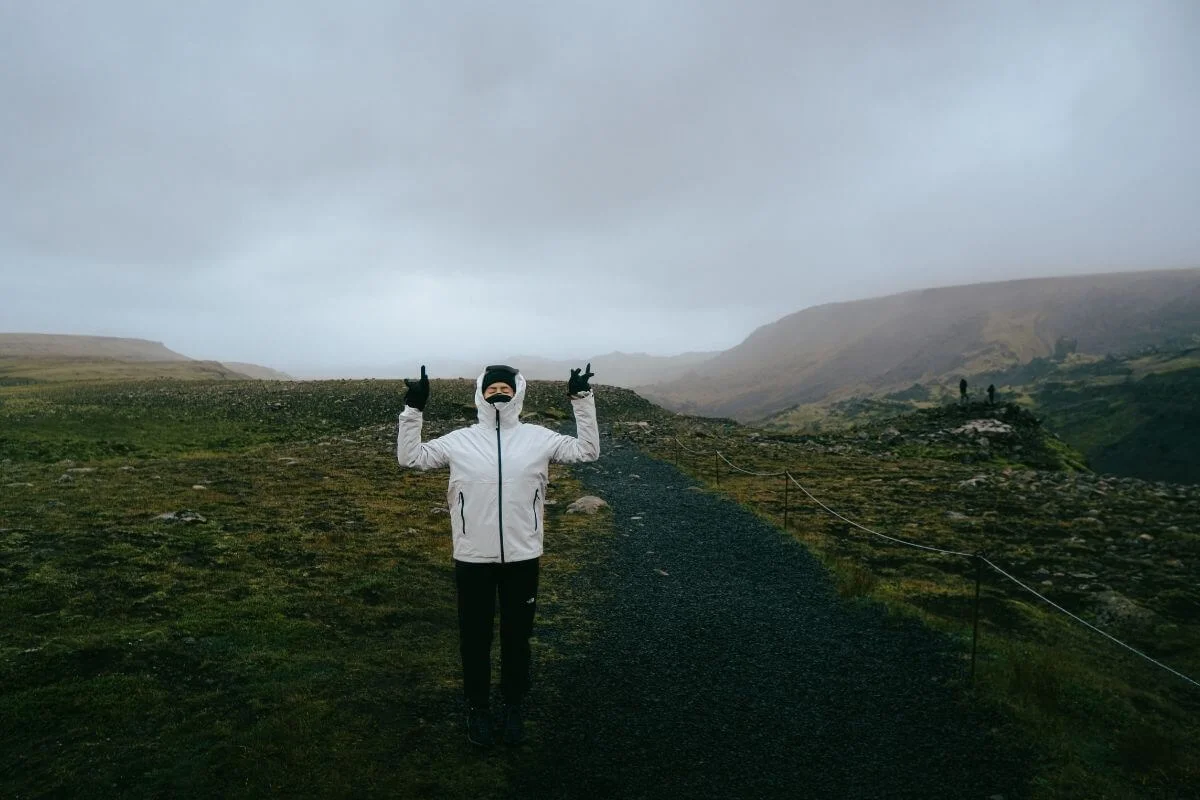
Iceland’s weather is variable in a way that surprises most first-time visitors, and some of the most dramatic weather arrives in the same seasons as the most popular travel windows. A volcanic event, a coastal storm, a road closure on the south coast, none of these are edge cases. They are realistic planning scenarios for any multi-day trip.
So ask, before you book: tell me what happens if conditions change significantly on one of our days. A well-run private operator has a clear, specific answer. They can reroute the same day based on what is open. They keep a network of alternative locations and can make the call in the field. They do not lose the day because the original plan cannot happen.
Travelling Iceland runs into this constantly, and the trips still land. When a 2024 eruption and the earthquakes around it closed the Blue Lagoon, guests were moved to the Sky Lagoon the same day without losing the experience they came for. Last November, when weather closed a road at short notice, a group was relocated at the last minute with barely a ripple in their trip. The plan bends and the day still works, because there is only one group to move.
One Travelling Iceland guest review describes her guide heading back out at midnight, after an overcast evening, to try again for the Northern Lights when the sky finally cleared. That is not an exceptional response to an exceptional situation. That is what a private guide running a small operation can do, because the only person they need to check with is you.
Where a private Iceland tour can take you
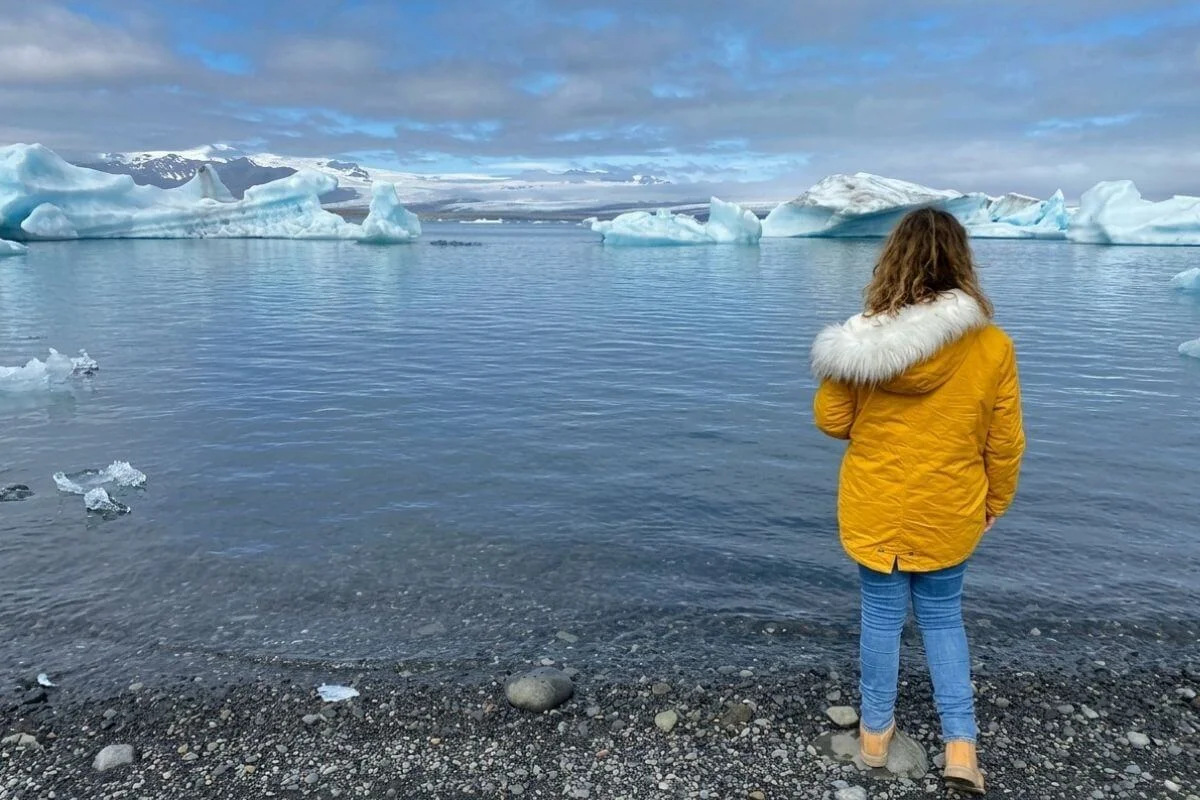
Part of choosing well is knowing what a good operator should be able to reach. The Golden Circle folds Þingvellir, the Geysir area, and Gullfoss into one loop, and almost every operator runs it. The south coast is where most first trips open up, with the black sand beach at Reynisfjara, a string of waterfalls, and the glacier lagoon further east.
Beyond the standard circuit, a private 4×4 opens the rest of the island. The Snæfellsnes peninsula gives you a compressed version of the whole country in a day. West, north, and south Iceland each reward a slower pace, and the full ring road is how you see them without rushing. In winter, the guide stays out late once the sky clears for the Northern Lights. In summer, the midnight sun stretches a single day far past where a coach schedule would stop.
Geothermal water is part of the appeal all year, from the crowded Blue Lagoon to the quieter Sky Lagoon near Reykjavík and the older Secret Lagoon in Flúðir.
A private operator builds all of this around your days rather than a fixed timetable, and can fold in the off-map stops most visitors never hear about. The same private model covers group and incentive travel, so a company offsite gets the same design and the same guides as a family of four.
A note on price
Price is the last thing worth comparing, not the first. A budget tour package and a premium one can look similar in a side-by-side of their websites, and the difference in what you get is not incremental. It is categorical.
For comparison, National Geographic-Lindblad’s 8-day “Fire and Ice” sail around Iceland runs well over $8,000 per person, and those are shared-ship voyages, not a trip built around your group alone. A private Iceland tour operator designing the days around only your people, led by a certified guide trained by a PhD geologist, sits under that per-person figure, and you never share the experience with a hundred other passengers.
The better question is not which operator is cheaper. It is which operator can tell you specifically who your guide will be, what they know, and what you will come home understanding that you did not before you arrived.
If you want to see what this looks like in practice, start with a conversation, not a booking form. We’ll ask about your group, your travel style, and what you want from Iceland, then build from there.
Ask any operator these five questions before you lock in your plans. The trip you carry home is shaped by the operator long before you ever stand in front of the landscape, and the right one is worth the few extra questions it takes to find them.
Get in touch to start planning your Iceland trip.
Frequently Asked Questions
How do I know if an Iceland tour operator is legitimate?
Every licensed operator in Iceland holds a travel agency or day tour provider licence issued by the Icelandic Tourist Board. You can verify any operator’s status directly through the Tourist Board’s public database at ferdamalastofa.is. Unlicensed operators have no regulatory accountability, so confirming a current licence is the baseline check before anything else.
What questions should I ask an Iceland tour company before booking?
Ask five things: whether their guides hold certifications beyond the Icelandic Tourist Board baseline, whether your tour is private or shared and if shared exactly how many other people will be on your vehicle, who specifically will guide you and what their background is, what their sustainability commitments are by named partner, and what their protocol is if weather forces a change. These separate operators with consistent quality from those where quality depends on which guide is free.
What is the Icelandic Tourist Board licence and why does it matter?
The Icelandic Tourist Board issues mandatory licences to every operator legally running tours in Iceland. The licence requires compliance with safety planning, insurance, and operational standards. It is the regulatory minimum for operating legally, and any operator who cannot confirm a current licence is outside the official framework entirely.
How can I tell if an Iceland tour operator’s sustainability claims are genuine?
Ask for specifics: named conservation partners, third-party certifications such as Travelife, and concrete outcomes tied to your booking, such as a tree planted through a named organisation. If the only answer is that the company cares deeply about Iceland’s environment, the claim is a label rather than a commitment.
What types of Iceland tours are there?
The main formats are a private tour with your group only, a group tour or small-group tour where you share a vehicle, a guided tour led by a professional, and self-drive tours where you rent a car and navigate yourself. Within those you will find day tours and single-day options like walking tours of Reykjavík, a bus tour of the Golden Circle, a half-day excursion, or seasonal summer tours run by a local operator. For a high-investment trip, a private guided tour gives you the most control over pace and access.
When is the best time to visit Iceland?
The best time to visit Iceland depends on what you want. Summer, June to August, brings the midnight sun, highland roads open for a full ring road itinerary, and the widest choice of tours. Winter, roughly October to March, is Northern Lights season. The shoulder months trade some daylight for far smaller crowds. A good operator matches the itinerary to the season instead of selling the same fixed route year-round.
Do I need travel insurance for a trip to Iceland?
Yes. Iceland’s weather can close roads and cancel plans at short notice, so travel insurance that covers weather disruption and medical care is worth having for any Iceland trip. Ask your operator how they handle weather changes, and make sure your own travel insurance covers the gaps their flexibility cannot.
Should I book directly with an Iceland tour operator or through a platform?
For private multi-day tours, booking directly with the operator gives you the actual itinerary design conversation, better communication before arrival, and the chance to assess the operator through direct contact. The relationship you build while planning is also a preview of how they will run the trip itself. Some travellers still prefer to work through a travel agency or agent, others assemble their own packages, and plenty just want a single guide who tells them what to ask.
Is a higher price a reliable indicator of quality in Iceland tours?
Price alone is not a reliable indicator, but heavy undercutting of the private premium tier usually signals something different in what is delivered: a shared vehicle, a less credentialed guide, or a fixed rather than customised itinerary. At the premium tier, the real differentiator is not the number itself but the specific qualifications of the guide and the depth of personalisation. Ask what you are getting for the price, not just what the price is.
Recent Comments